 Catalalogue de l'ORE OMERE
Type of resources
Available actions
Topics
Keywords
Contact for the resource
Provided by
Formats
Representation types
Update frequencies
status
Scale
-
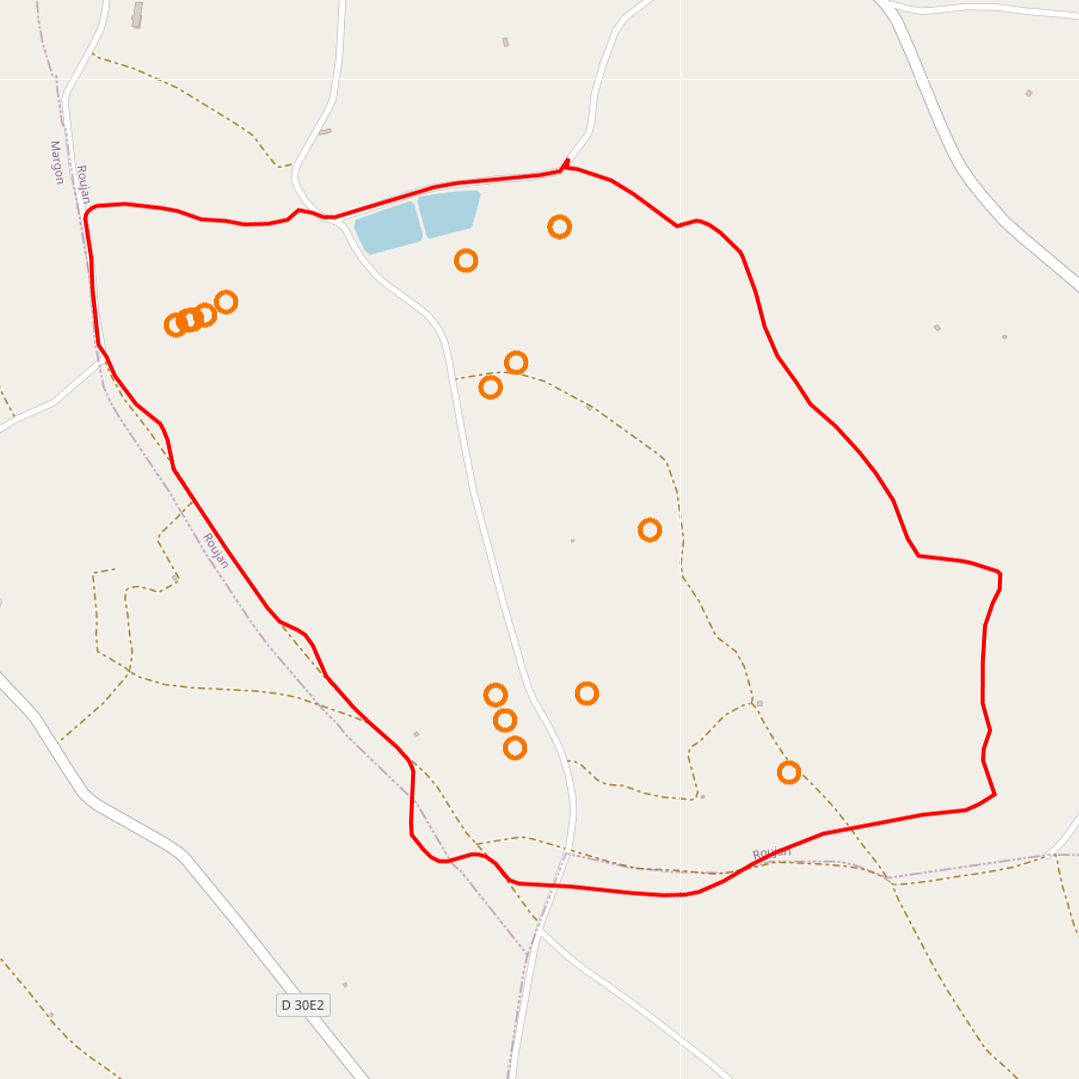
The evaluation of soil moisture in different areas of the Roujan catchment area is carried out by measuring the moisture content of fresh soil samples.
-
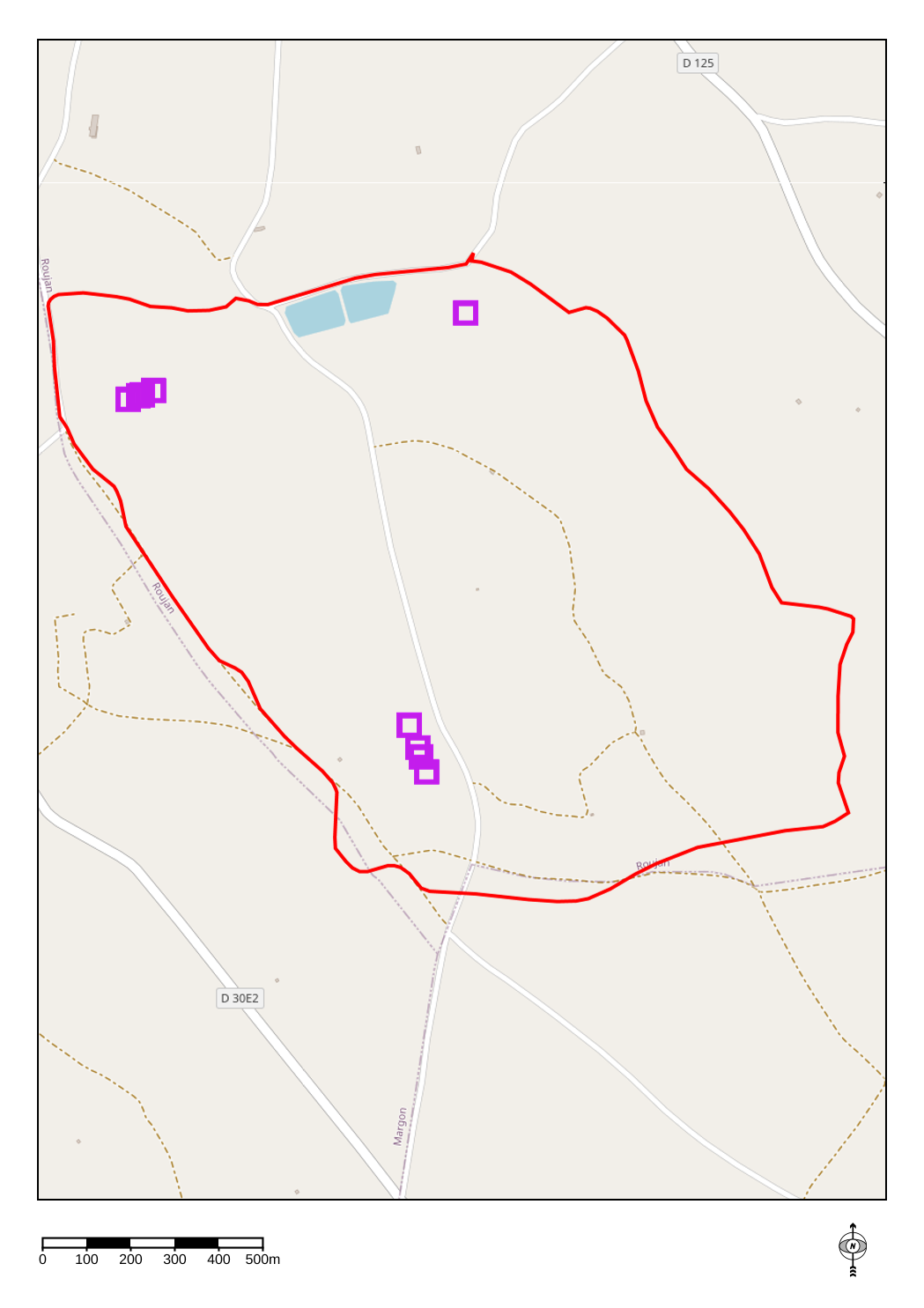
The physico-chemical parameters measured in the Roujan basin and accessible via the data portal concern the measurement of elements such as pH, redox potential, temperature and conductivity, carried out during sampling in the basin.
-
Contents of trace metals in water (rain, run off, underground waters ) on the Roujan catchment area.
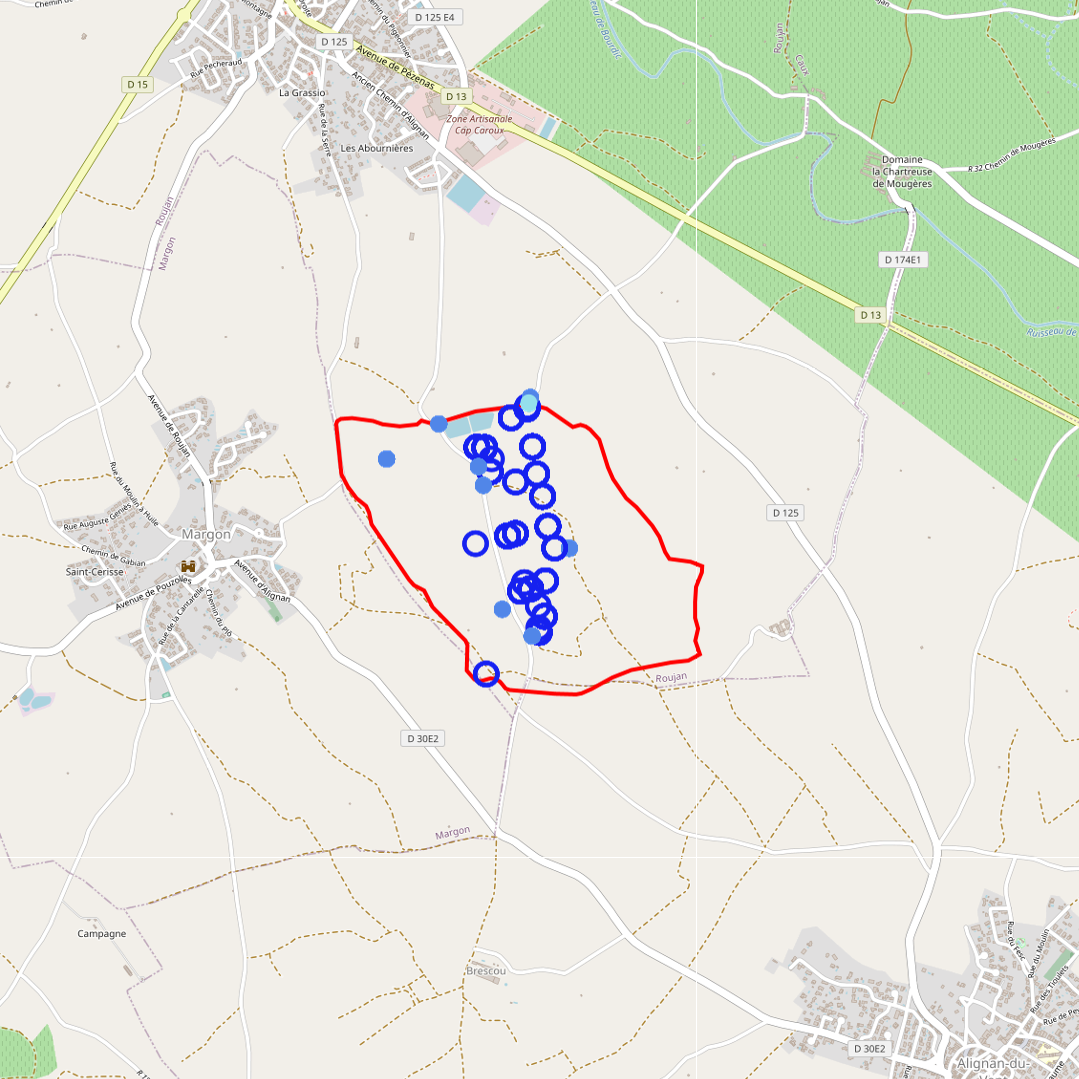
Regular sampling of surface water, rainwater or groundwater is carried out in the Roujan catchment area. These samples are sampled and analysed in order to assess the content of trace metals in the waters of the basin.
-
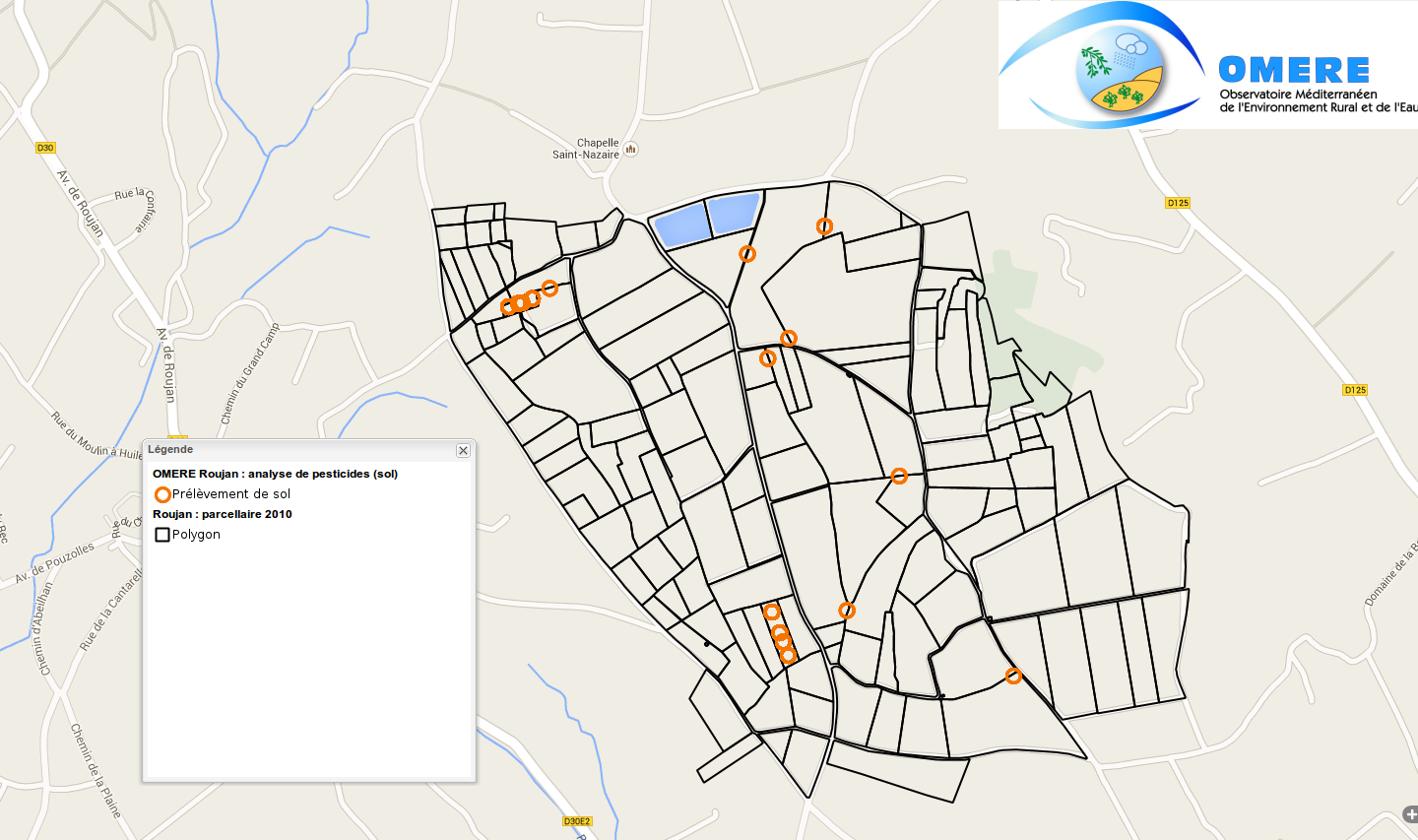
Evaluation of pesticides contents in cultivated soils in the Roujan catchment area.
-
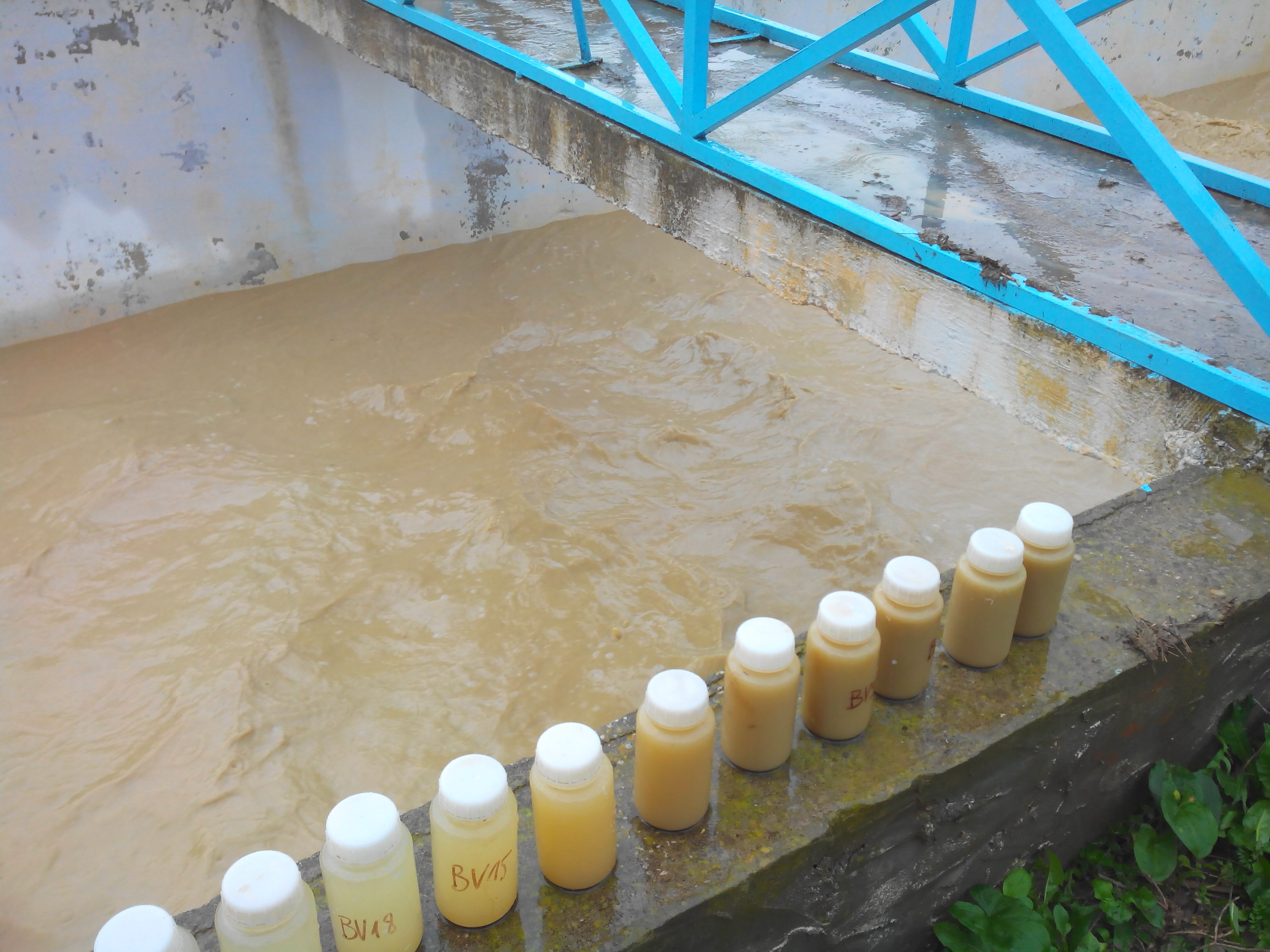
The monitoring of suspended sediment loads in runoff and stream flows aims to quantify the amount of sediments translocated during runoff events. These measurements contribute to the understanding and the quantification of the soil redistribution induced by water erosion processes. The measurements of suspended matter are made through manual and automated water sampling at the hydrological stations, which are then processed and analysed in the laboratory to derive suspended sediment concentrations. A turbidimeter has been recently installed to complete the time series of sediment discharge. Suspended sediment concentrations are integrated into the HYSAE database, they can subsequently be consulted and downloaded via the OMERE data portal.
-
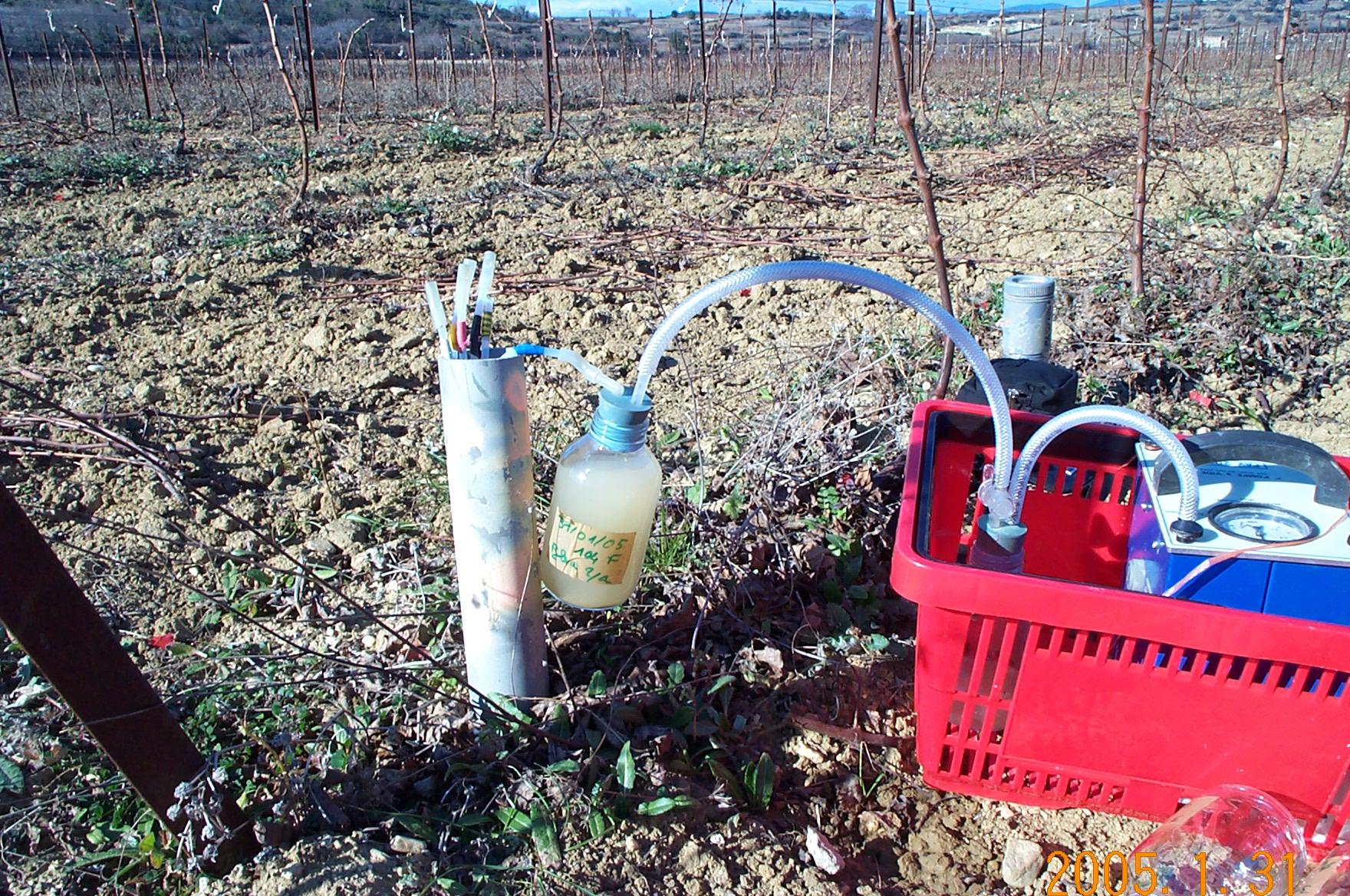
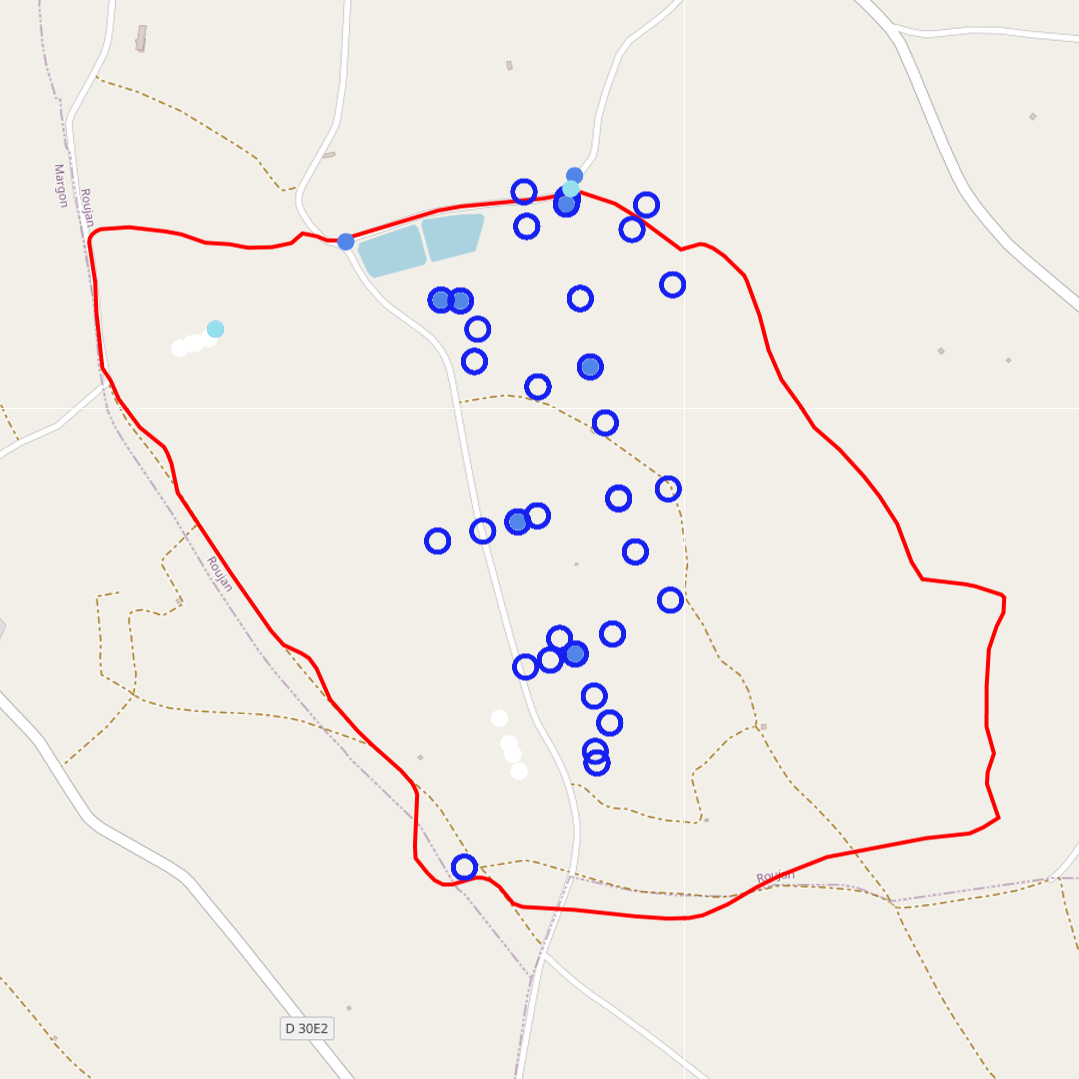
The water table depth from the soil surface is measured at different points in the Roujan catchment. In Roujan site, the groundwater is shallow with a free surface water table rising and falling in the soil and subsoil layers. The measurements are made at different points in the catchment with piezometers. A piezometer is a perforated PVC tube at its base installed in the soil through a borehole. In every piezometer, the water table depth is measured by manual piezometric probe or monitored at high frequency (~15') with autonomous and automatic probe integrating acquisition units. Through the OMERE data portal accessible from this website, the data can be downloaded from an interactive map.
-
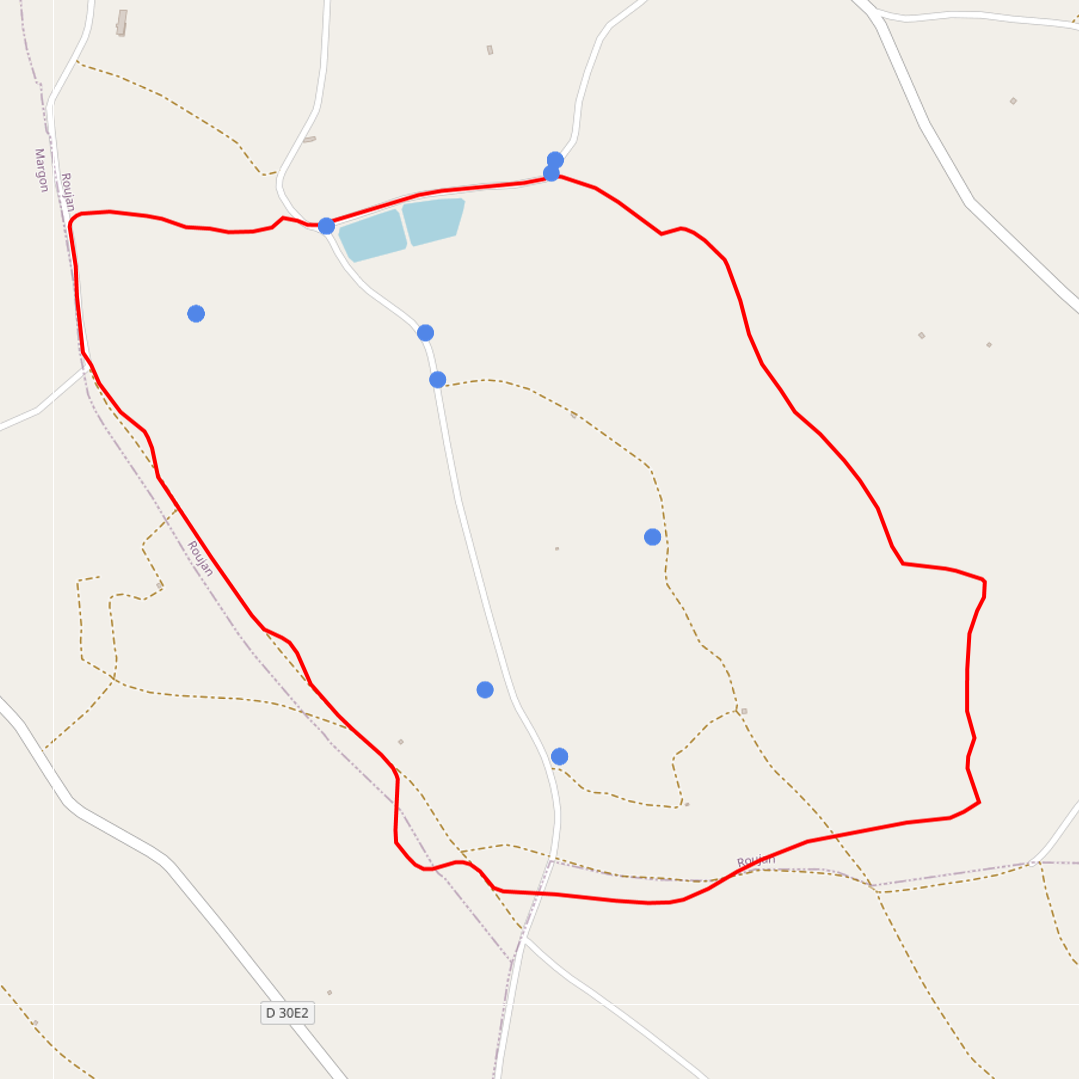
The monitoring of suspended sediment loads in runoff and stream flows aims to quantify the amount of sediments translocated during runoff events. These measurements contribute to the understanding and the quantification of the soil redistribution induced by water erosion processes. The measurements of suspended matter are made through manual and automated water sampling at the hydrological stations, which are then processed and analysed in the laboratory to derive suspended sediment concentrations. A turbidimeter has been recently installed to complete the time series of sediment discharge. Suspended sediment concentrations are integrated into the HYSAE database, they can subsequently be consulted and downloaded via the OMERE data portal.
-
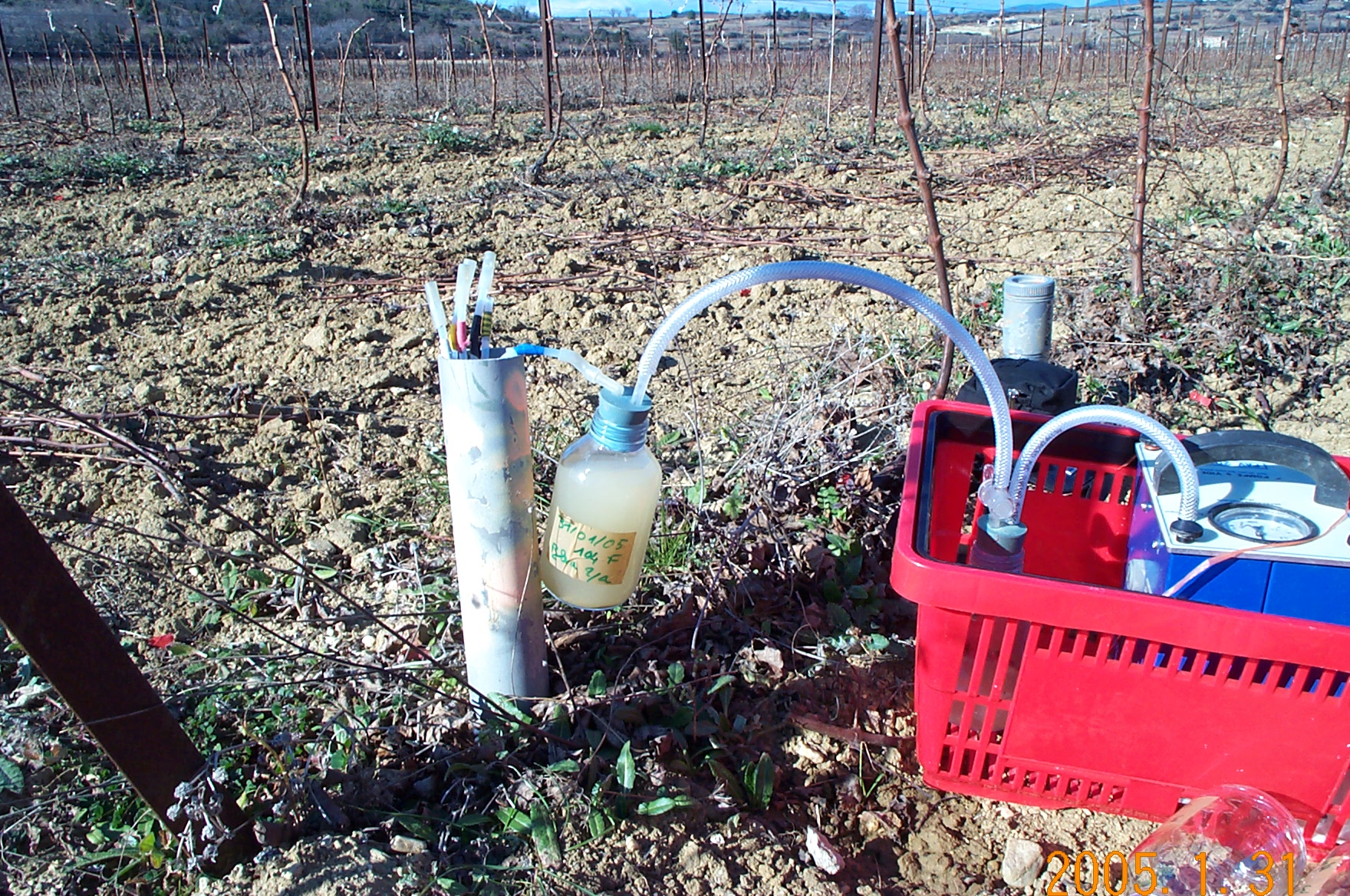
The groundwater temperature is measured at different points in the Roujan catchment. In Roujan site, the groundwater is shallow with a free surface water table rising and falling in the soil and subsoil layers. The measurements are made at different points in the catchment with piezometers. A piezometer is a perforated PVC tube at its base installed in the soil through a borehole. In every piezometer, the groundwater temperature is monitored at high frequency (~15') with autonomous and automatic temperature probe integrating acquisition units. Through the OMERE data portal accessible from this website, the data can be downloaded from an interactive map.
-
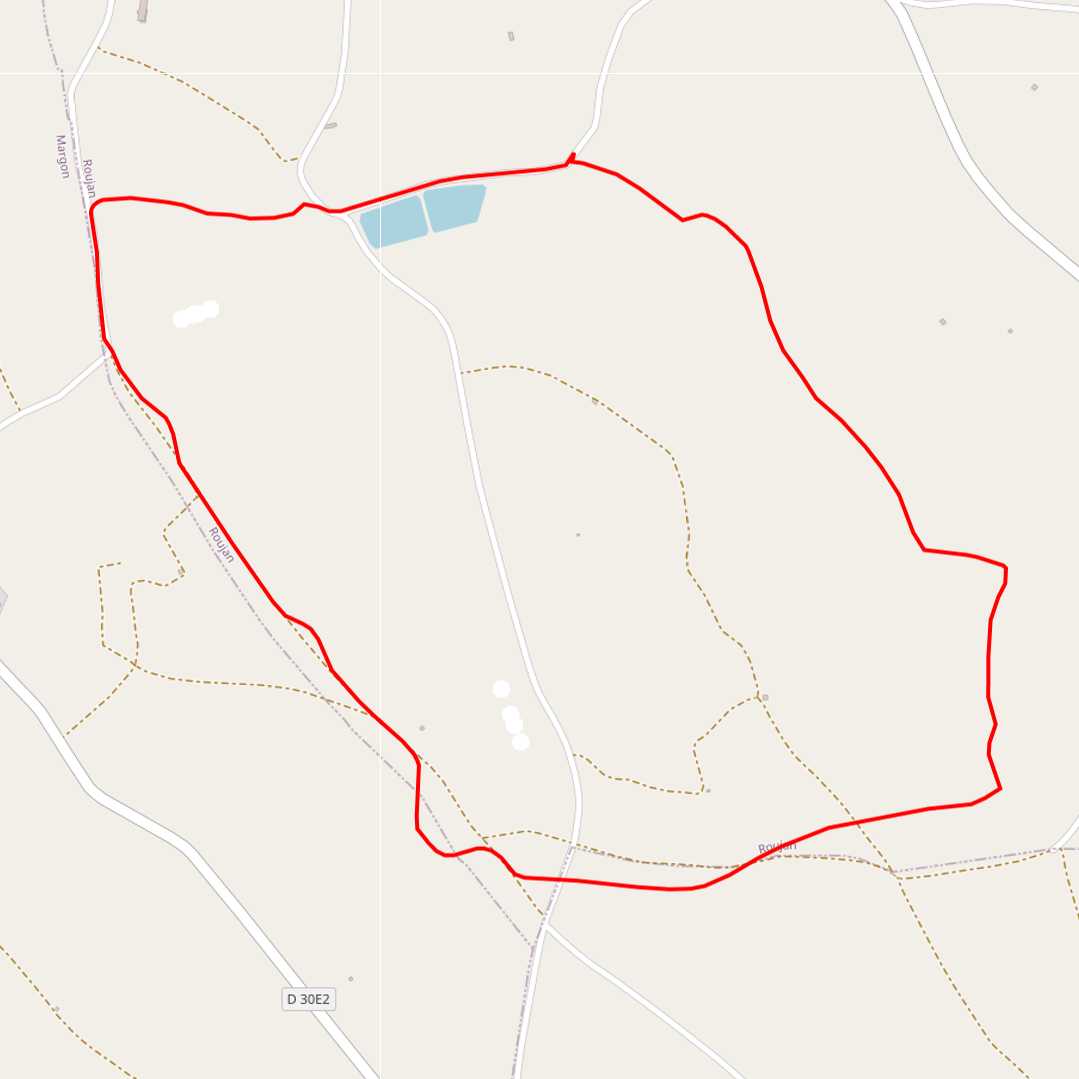
Pesticide contents are determined on the suspended matter extracted by filtration (0,7µm) in runoff water. Contents allow quantification of particula transport of pesticides and allow too compare it to solute transport.
-